Falling Off Track in College

Back home I was super disciplined and lowkey had my life figured out. My mornings were something that I took immense pleasure in because they were structured and gave me clarity. I enjoyed waking up to the loud chirping of the birds and the beam of sunlight on my forehead that escaped between the curtains. I adored the moments leading up to drinking my morning cup of coffee as I got ready to journal, meditate, and workout.

Now, as a full-time college student, my mornings have been anything but structured. I really did try to maintain them the first week of college: I woke up at 5:00am every day, got a meditation and a workout in, didn’t skip breakfast – I was doing great at being an adult. However, starting from the second week of college, I just completely lost my structured morning routines – no longer sleeping enough, working out, eating. This has to do with the fact that I am now staying up WAY later than I’m used to because college is not just about academics. It’s also about our social lives and unfortunately for me, social interactions tend to be a lot more fun only post 10:00pm 😉.

I now wake up feeling burnt tf out – not just because I sleep later, but because college is so much work ya’ll. We have to study hard, make our own food, be social creatures, attend club meetings, keep up with extracurriculars, talk to our families, take care of ourselves physically AND mentally. It’s exhausting.

I catch myself feeling so freaking guilty and anxious when I have to skip meditating or working out because time does not allow for it or because my body is just so tired. I started hating on myself for failing to take care of myself. Meditation and exercise were my sources of therapy every day. It was during these allotted periods of time that I could let go of the world and just tap into myself. Therefore, no longer having those moments to myself is anxiety-provoking.

To cope with these newfound emotions due to the sudden change of routine and lifestyle I had to constantly remind myself of the following:

  1. Not everything can be planned for. Life is unpredictable and I cannot control every single situation.
  2. Sleep is just as important as meditation/exercise, so it’s okay if I skip a day or two if that means I get some extra hours of sleep in.
  3. I do not work out to look a certain way. I work out because of the way it makes me feel – internally. Don’t get caught up in this superficial BS that most college students are hung up on.
  4. The days I stayed up late to go party or meet up with people are filled with good memories! So don’t feel guilty for wanting to make the most of college and create amazing memories.

For any of you folks who may also be feeling something similar, just know that we’ll get through it. We’ll reflect back on our undergrad years and think “Damn, we squeezed the living life out of every opportunity that came our way and we worked our butts off, and we also had an immense amount of fun while doing so.”

6 Months of Using the Five Minute Journal

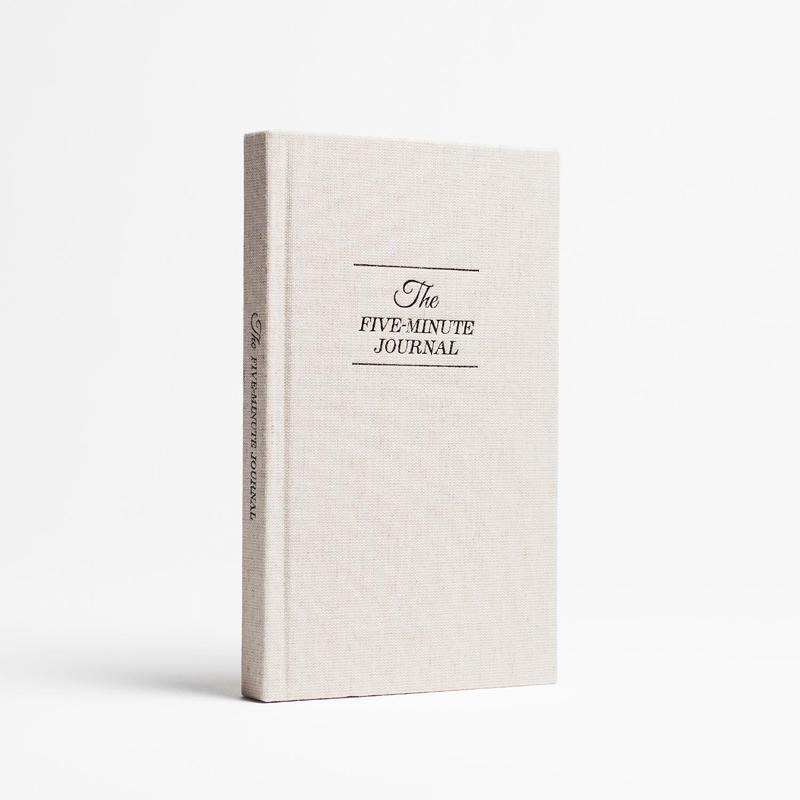
I completed my first Five Minute Journal recently and I can’t help but feel a bit proud of myself. I’ve never been able to make a consistent habit of journaling up until this point.

The fact that the Five Minute Journal only takes five minutes or less to complete made it so much easier for me to incorporate into my morning/night routines. There were, of course, still days when I forgot to journal, but I still kept up with the practice for 6 months!

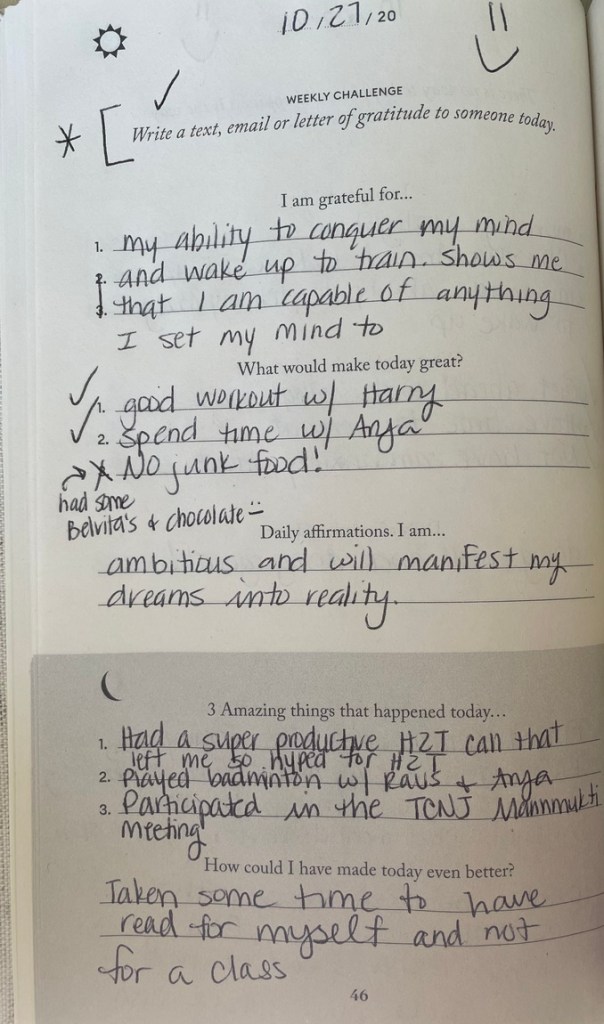
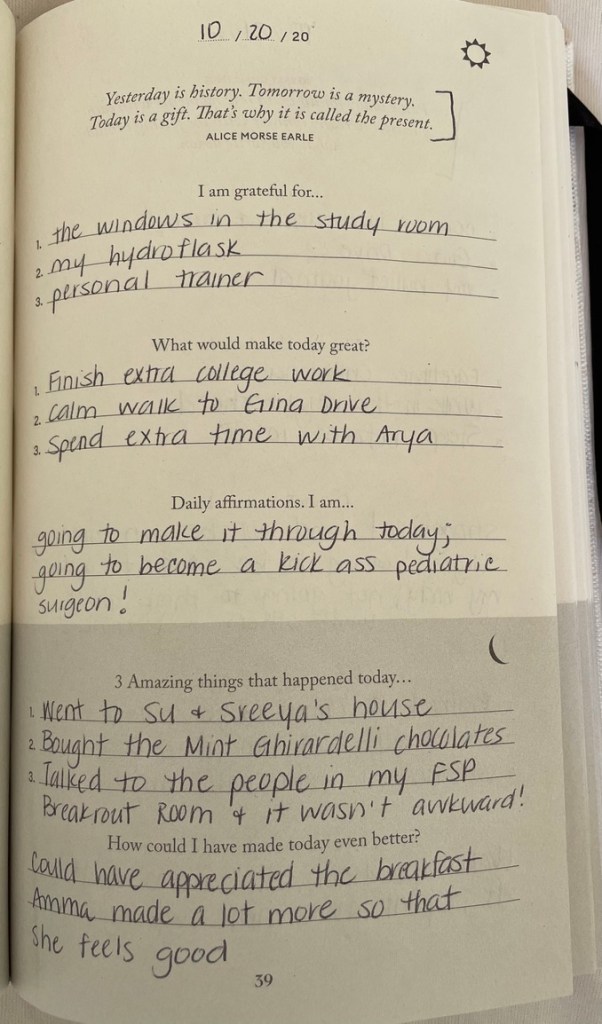
Here are 2 examples of my early entries that brought a smile to my face 🙂

As I reflected on my entries, I noticed some common themes.

  1. I’ve started to love my body a lot more. One of my biggest insecurities has always been my body, so reading the entries and seeing how my self-body image has been improving brought me so much joy.
  2. I am the happiest and least anxious when I am with family, friends, and nature. I never realized that this was such a big deal for me until I re-read the entries. I can now intentionally carve out time to be with my closest people and go out in nature as often as I can so that I can have some mental peace.
  3. My job makes me so anxious. I should write and state affirmations to myself to enable me to think past the negativity and focus on the things that I can control.

I think the important part about journalling, which I only recently understood, is that it doesn’t really help (at least for me) in the moment. Sometimes it may feel like a burden or a hassle to sit down and write. Journaling is so much more effective when we take that minute or two to go back and read our entries because we literally see our evolution on the pages. I saw how I changed my perception of my body, for example, as I kept reading through the entries. Journalling provides subtle, yet drastic effects and I think that’s why so many people are always stressing the importance of it.

Reflecting on My First Week of College

It has been nearly a week since college started, which means it has been a week since I left home and moved into my own apartment (I share it with 3 other girls, so it’s not like I’m entirely alone). I wanted to take the time to be vulnerable and share some of the ups and downs that I’ve had this week as a result of this change. 

First off, my college is only 20 minutes away from my home (thank God!), so it’s easy for me to go back home regularly and meet my family (homesickness is real ya’ll!). However, it’s the whole idea of transitioning into adulthood and learning to live on my own that has been scary. 

My high school calculus teacher actually sent me this article a couple days ago and I think it perfectly encapsulates everything that I’ve been feeling recently. 

College is drastically different from high school. There isn’t a set schedule everyday. You don’t meet the same people everyday. And if you live on your own, you have to make sure you feed yourself because your parents are no longer hounding you to take care of yourself. 

I’ve always been independent, but at the same time, I’m a HUGE homebody. Therefore, this week has been extremely stressful, anxiety-provoking, and very lonely. However, there were also moments of joy, laughter, and fulfillment. 

It’s hard being an adolescent. It’s hard trying to flutter through our daily lives and constantly wonder what is going to happen next. Will we be loved by our friends? Will we do well academically? Are we being validated? It’s hard, but that’s the point. There’s beauty in trying to find our way through both the internal and external struggles. Some days were so freaking hard when I was alone and didn’t have my brother nagging me to watch Netflix or my Mom yelling at me for something or my family eagerly waiting for me to play Catan with them. But it’s important to remember that we are social creatures and we need nurturing relationships with people (aside from our family). These relationships will be found in college. We just have to be patient and be willing to accept the change. 

I’m going to end this post by repeating what Lisa Sugarman said: 

“So, I’ll say the exact same thing to you that I said to my own daughters when they went off to school. Give it some time, be patient, and remember that putting yourself out there and taking risks can be the one thing that changes everything.”

The Movie That Made Me Feel All the Feels

Shershaah is a Hindi-language movie released in August 2021. It’s based on the TRUE story of Captain Vikram Batra who fought courageously in the 1999 Kargil War for India.

Real-life Captain Vikram Batra

The beauty of this film is that there is no “extraness.” It’s all true (including the romantic scenes)! The film also does not preach intense patriotism as if they’re forcing it on us, which I appreciated as many films about soldiers and wars tend to always sideline to that idea instead of focusing on the courage and valor of the soldiers.

I watched this film a couple weeks ago and I’m still getting goosebumps and palpitations thinking about it, which is incredibly unusual for me. It’s the fact that it was a true story based on a real-life person with such an incredible personality that left me with a lasting impact. I felt so empowered and simultaneously felt so much love, anger, and sadness throughout the course of this 2 hour film. The movie did a phenomenal job of showing us that soldiers have families and loved ones, who they leave behind to fight daily to protect every single person in their nation.

Tears just bursted out of my eyes when they ended the movie with this dialogue:

The song below has been throwing me off so much as well. I’ve been listening to it on repeat during my car rides or walks because of how bittersweet the lyrics are. The lyrics essentially translate to “When you’ve finally gotten to be with the love of your life, how do you say goodbye so soon? How do you tell him just to stay a little while longer, especially if he’s leaving for a long time to serve the nation?”

It does not matter if you don’t know the language, but I highly recommend every single person watches this film. It has made me appreciate life a bit more and understand that we have an immense responsibility to better the nation because millions of soldiers are risking their lives every day to protect us.

Chewing Gum and Anxiety

I hear my heartbeat in my ears and feel as though I’m not getting enough air to breathe in and out. My chest tightens and my throat closes. Sweat develops in my armpits, forming embarrassing sweat stains on my tshirts. Repeating: You’re okay. Just breathe. does nothing to alleviate my symptoms. 

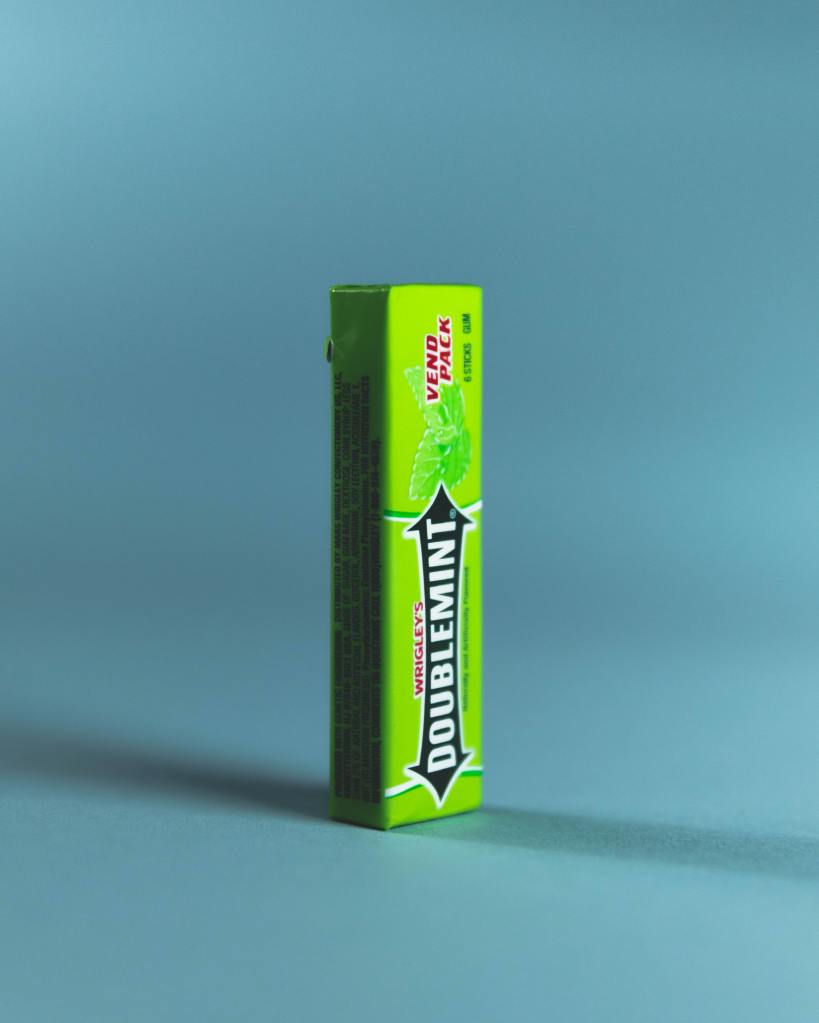
This is when I remember to open up my backpack and grab a piece of EXTRA peppermint gum. I start chewing, and almost immediately my chest and throat open up. I no longer feel like I’m fighting to simply breathe. My heart is still rapidly beating, but it’s no longer pulsing in my ears and preventing me from focusing on the task at hand. 

Chewing gum is my go-to method for ensuring my anxiety does not spiral out of control. When I began to notice how my habit of chewing gum and anxiety were linked together, I did some quick research and found that there’s actually science that backs up this idea:

  • “A study out of Swinburne University found that people who chew gum while multitasking under stress had lower cortisol levels, reduced levels of stress and anxiety, and increased levels of alertness and performance. Another found that chewing gum can improve a negative mood, and increase levels of peace and calm.” – Inc.com
  • “The ancient Greeks and Mayans chewed on tree resin, while the first “chewing gum” was made in the 1800s from a type of rubber known as chicle (yup, the same stuff Chiclets were named after!). While today’s gum tastes a lot better, the ancient Greeks and Mayans may have been on to something— studies suggest the ancient chewers may have felt less stress than their non-gum-chewing counterparts” – Greatist

Keeping this evidence and my own personal experience in mind, it’s crucial to understand that gum does NOT cure anxiety – it only provides temporary relief. Additionally, just because this works for me and for some others, does NOT mean that it will have the same effects on you. 

Identifying a mechanism to help yourself bounce out of the anxious period – whether that be chewing gum, cold showers, running, etc. – can greatly improve your work ethic, mood, and enable you to attempt to remain in the present moment. 

Other mechanisms that help my anxiety (but are not as immediately accessible as chewing gum):

  • Walks in nature
  • Long showers
  • Driving with music or a podcast
  • Working out and sweating A LOT
  • Watching a movie with my family 
  • Writing/Blogging

Catapult #4

Isha Kriya Meditation

Life has been a whirlwind these past few months – especially since I’ve started my job as a medical scribe. My anxiety has peaked in ways never before, to the point where I struggle to sleep and work.

There have also been a lot of other things that I’ve been trying to complete. But as a perfectionist, I never feel satisfied and always feel like there is more to do, which inevitably leaves me feeling even more disappointed and fatigued.

I realized that I have immense ambitions that are underway and am excited about, but at the same time, I am identifying myself with these ambitions. More specifically, I am identifying myself with my thoughts.

Additionally, I’ve begun working out regularly for the past year and have started to eat more healthily in hopes of attaining my fitness goals. However, in this process, I’ve also started to identify with my body.

In essence, when we identify ourselves with our bodies and minds, we limit ourselves from experiencing life for what it is. This is still a concept that I’m trying to grasp because it still seems so unreal and existential, which is why I decided to embark on the Isha Kriya Meditation journey.

Sadhguru recommends that people do this meditation either twice a day for 48 days or once a day for 90 days. However, my life is so unpredictable at the moment and I don’t want to restrict myself with certain “deadlines” because that will simply cause me more anxiety.

So, I am going to TRY to do the Isha Kriya meditation at least once every day and we’ll see if I am able to keep this up for 3 months.

My goal in catapulting myself into the world of meditation is to learn to think and feel broader than the boundaries set by my mind and body. I don’t think meditation will “cure” my anxious thoughts, but I do think it will help me become more aware and better at coping with them.

I encourage you all to try this with me because then maybe we can connect together and discuss our spiritual findings after the 90 days are up 🙂

Creative Living is Extraordinary

This was a refreshing and encouraging read. 

Quick Synopsis: Elizabeth Gilbert talks about the importance of creative living. The importance of chasing curiosity, not wallowing in failure, and recognizing that creative living is the only way to live. 

The most interesting part of this book was when Gilbert talked about her idea to write a book about the Amazon jungle. The idea just came to her and she was ecstatic and completely imbibed in the process of writing that book. However, unexpected events in her life came in the way and hindered the completion of that book. Years later, Gilbert meets one of her author friends, who shares a book idea that she got. The friend repeats the same plot and idea that Gilbert had had with her Amazon jungle story. HOW INSANE! 

We often think that ideas are our own. After reading this book, I realize that ideas do not belong to us – we do not create them. Ideas are alive entities and they find that one right person who will bring them to life. 

That’s exactly what happened with Gilbert. The idea of the Amazon jungle novel chose Gilbert initially, but when it realized that Gilbert would no longer be able to birth it to life, it chose a different human to do the job. What an incredible finding! 

I often get scared that someone will do something before me. I have ideas and projects in mind, so I worry that someone will beat me to it. I will proceed to internalize it if someone does beat me to it. 

Note to self after finishing this book: Someone has already done something that you wanted to do because there are only so many things to be done. But no one has done that something the way that you will or have done that something – and this, is the beauty of our human existence. 

It’s okay if the same idea that found us traveled away from us and found someone else to fulfill it. We need to realize that either we were not fully ready to do justice for that project or that we can still keep going with the idea and do it in our own way (that is, only if we are still extraordinarily passionate about it). 

All in all, this was an incredibly thought-provoking book that made me reframe the way I’ve thought about life. It’s also provided me with some answers on how to handle my envy of others. 

I would definitely recommend this for anyone who feels as though they are “stuck,” have no purpose, jealous, or just want to learn how to notice the signs that the Universe continues to bombard us with everyday.

Why the Physician Mental Health Questionnaire is Ineffective for Adolescents

Whether it be for a sick visit or an annual check-up, my doctor’s office always has me fill out a “Mental Health Questionnaire.” The questionnaire essentially consists of numerous statements with a scoring criteria. For example, one statement could be written as “feeling nervous, anxious, or on edge” and the right hand columns will have a 0 for “not at all,” 1 for “several days,” 2 for “more than half the days,” and 3 for “nearly every day.” As I circle a number for each statement, I arrive at the end where I am required to tally up the numbers and give myself a score. 

This questionnaire has been a recent requirement, which I appreciate as it shows that mental health is becoming more of a priority in medicine. However, there are a couple drawbacks to this that I feel defeats the whole purpose of having pediatric patients fill this out. 

For starters, minors are accompanied by their parents for these doctor visits. Therefore, parents are sitting next to them when children fill out these questionnaires. It can sometimes be uncomfortable and hard to honestly answer the questions because there’s a high probability that our parents are looking over our shoulders to see what we’re writing down. This automatically skews the answers and deems the questionnaire ineffective. 

The other major con of this questionnaire is that most doctors don’t even look at it or mention it during the visit. Out of all the years I’ve been required to fill this out, only one doctor took the time to send my mom out of the room and talk to me about my answers. The rest of the physicians didn’t even look at my responses.

What does this convey to pediatric patients? 

When the physicians didn’t even bother to take a few minutes to check in with how I was doing mentally, it conveyed to me that getting my ears, eyes, heart, and the rest of my body was more important to them than understanding the way I was feeling mentally. 

It also showed me that physicians may not be taught medicine from a holistic standpoint. Especially in the U.S, medicine is more about analyzing a patient’s somatic symptoms and arriving at a diagnosis for further treatment. Therefore, physicians are likely to overlook symptoms of depression, anxiety, suicidal tendencies, bipolar disorder, etc. because they are so focused on the issues of the physical body.  

The questionnaire was a great starting point to prioritize mental health in medicine. However, it is now time to step it up a notch. This could be done by requiring doctors to take time out of the visit to have conversations about mental health. This, not only will help children who recognize that they are mentally struggling, but will also raise awareness for the children who are not aware of mental health and mental illnesses. 

Dear Diary….

I feel so much gratitude today.

I woke up to Arya’s legs on my face. I took a nice therapeutic shower. I had pizza for lunch with Sanj.

Then we did an instagram live with Diva Dhawan, who is an absolute sweetheart. I think she topped off my day to make it even more special. She was so raw, genuine, and vulnerable. I loved it.

I just feel liberated and so much less anxious than I’ve been feeling the past few days. I realized that I need to start slowly training my mind to allow to feel the big emotions – the extreme sadness, the extreme happiness – along with the all the emotions in the middle.

At this very moment right now, I’m happy and I’m going to cherish it for however long it lasts 🙂

Sleep is a Waste of Time

Note: This post is also published on happy2thrive.org

“I sleep only 4 hours a day,” one says. 

Someone replies, “Wow, that’s impressive! You must be so productive and hardworking.”

“Yeah, I am. Sleep is a waste of time. Every second you’re sleeping, you’re missing out on a chance to accomplish all your life goals.” 

Since when has our productivity become linked with our physical and mental health? Although incorrect, society continues to teach the growing generation that hard work trumps everything. Known as the “Hustle Culture,” it has been ingrained in children early on that if they are not constantly at their maximum productivity, they’re falling behind in life.

But on whose standards has that person fallen behind? Who deems how hard someone must work to achieve their own life goals? Who says that you can’t achieve all your goals in life while also making room for sleep, food, exercise, family, and friends? 

The modern education system thrives on “Hustle Culture”. Students are provided a motive to put their health on the backburner simply for grades and the “pride” of making it onto the Honor Roll or Dean’s List. Many social media influencers glorify “Hustle Culture” and toxic productivity by posting content of themselves up at 4:00 am and working until 11:59 pm. Parents support “Hustle Culture” by comparing other children to their own. 

This is nonsense. 

There is no point in staying up to work if the work you do is of bad quality! It is not necessary to sacrifice your health for your dreams and aspirations. In fact, there is no way you will attain those aspirations if you sacrifice yourself in the process. 

Hustle culture inevitably leads to burnout, which is defined as a “state of emotional, physical, and mental exhaustion caused by excessive and prolonged stress.”

According to Brian Dyson, CEO of Coca-Cola in the 1900s:  

“Imagine life as a game in which you’re juggling 5 balls in the air. You can name them work, family, health, friends, and spirit. And you’re keeping all of these things in the air. You will soon understand that work is like a rubber ball. If you drop it, it will bounce back. The other four balls are made of glass. If you drop them, they’ll be scuffed, damaged, and potentially even shattered. They will never be the same again.” 

With the constant stimulation from the outside world, we become our worst enemies. We feel guilty if we take a day to just relax because all of the celebrities and “successful” people supposedly never stop “hustling.” But do not forget, social media shows us only the best of people, rarely the worst.

Don’t compare yourself to others’ standards. Compare yourself to the holistic standards of your mind and body combined. Productivity should not come at the price of your health, family, friends, and ultimately, yourself. 

Be present. Be mindful. And be “productive,” in your own way. 

Sources: